The Project
"It's better to be folly with one's own ideas than wise with with the opinions of others"
Friedrich Nietzsche
Permaculture provides practical tools for designing sustainable, biodiverse systems, where all the elements of the system work together in a kind of natural collaboration to the benefit of the whole.
In a classic permaculture design a farm is divided into zones according to how labor intensive they are. Zone 1 for example would be the closest to the household (Zone 0) and would include annual vegetable gardens and other elements that require daily care. Zone 2 and 3 may contain orchards and smaller animals such as chickens and pigs, while zones 4 and 5 will be the farthest from the home and generally dedicated to livestock and prairies.
Within these zones each element is carefully thought out and designed to collaborate for the maximum benefit of all elements within the zone. The key in this design is that we look to the biodiversity of natural ecosystems to inspire us, and rather than asking ourselves what we can get from the land we ask how we can work with nature to increase the overall health (and yield) of our land.
For me the elements are the projects within the project. They include things that are productive for the economy of our farm, such as the olive groves, as well as elements that are of fundamental importance to us within the context of our project, for example ways to minimize waste and enhance soil fertility such as composting and vermiculture.
The whole farming project will be carried out in biodynamic agriculture, because we truly believe in this practice and in its potential for enhancing soil fertility and boosting the overall life force of the land.
Zone 0
In the meantime we've got plenty to keep us busy getting the farm going. Such as....
Zone 1
The elements of zone 1 will include:
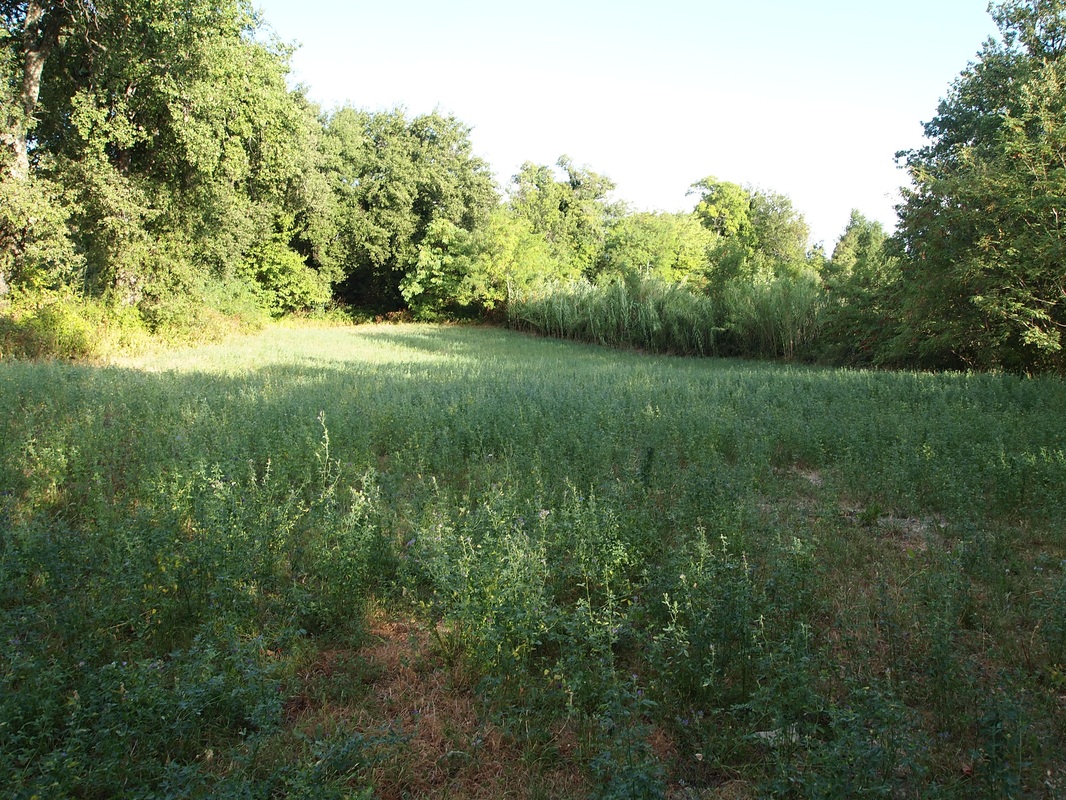
Forest Garden - A Forest Garden is a garden modeled on a natural woodland. All the plants present in the forest garden are edible and laid out in a 3 layer pattern including fruit and nut trees, shrubs and perennial vegetables and herbs. The far side of the parcel will be dedicated to a small Forest Garden. We'll use a pattern called a woodland glade pattern (somewhat like a horseshoe), that will be south facing and should fit nicely into the space, growing out from the present vegetation of huge oak trees and reeds. This pattern also maximizes the south facing border area of the garden, giving us the maximum amount of light infiltration and plenty of space for yummy sun loving herbs. An extra benefit of this garden will be that it will provide a windbreak, shielding the tender annual veggies of our potager garden from the cold northern wind.
We will begin organizing the space for our forest garden over the next 10 months and planting fruit trees in fall 2012.
Pond - The pond is a fundamental element of this system. It provides a natural habitat for many useful animals such as frogs and dragonflies (which feed on pests) as well as swimming area for snail eating ducks. Not to mention the bounty of beautiful and edible plants that grow in and around a pond and the joy of simply being near it. The pond will sit more or less in the center of zone 1. It will be fed by a winter run-off creek on the far side of the zone that is currently causing some trouble on the access road, and so we will divert it into this pond. The pond will also provide water for the forest garden and the potager garden.
We are working on the design for the pond and hope to start digging some time in 2012.
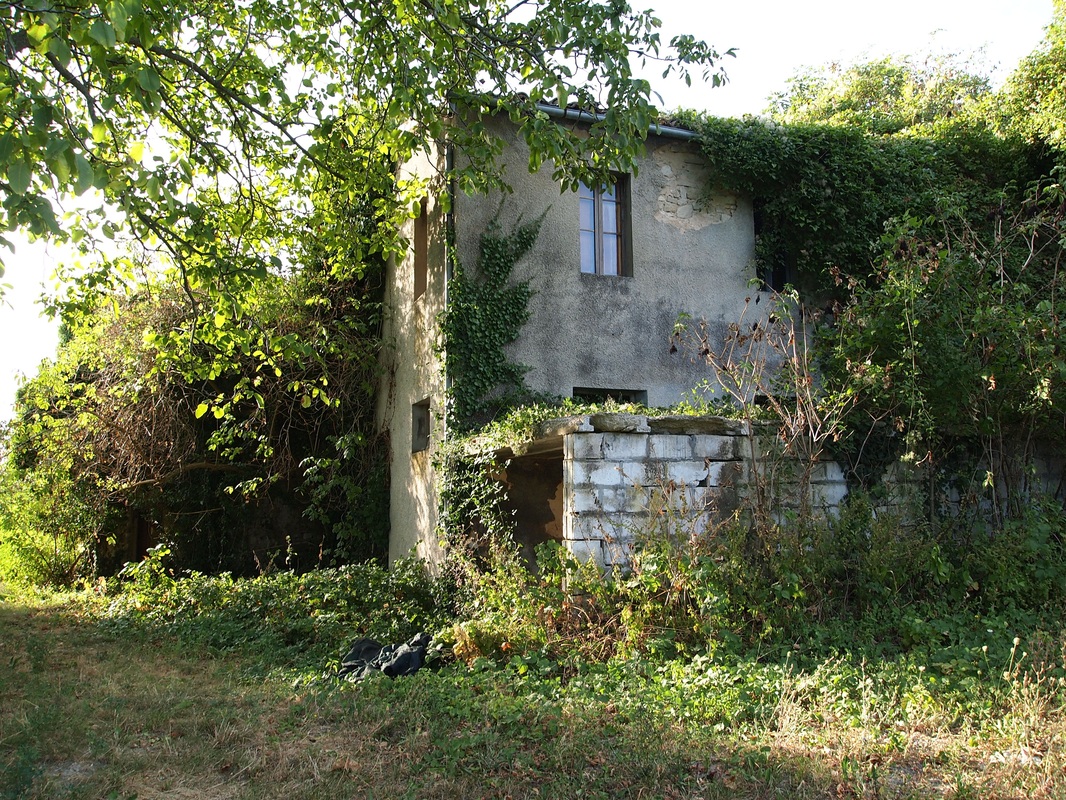
Potager garden - Potager is a french word, which literally means vegetable soup. It's an ornamental vegetable or kitchen garden where herbs, vegetables, edible flowers and fruits are planted together to enhance the garden's diversity and beauty. A potager has nothing in particular to do with Permaculture or biodynamic agriculture, but it's the kind of beautiful and useful edible garden that we love and the biodiversity of the garden is quite compatible with the permaculture view. The potager garden is rich in annual veggies and so regular watering is a must. We'll be collecting rain water from the roof of the "house" and in the pond but we will also need to locate and perhaps re-drill the well on the property so that we can install drip irrigation
Critters - Zone 1 will most likely be the home of our chickens, geese and ducks.
Zone 2/3
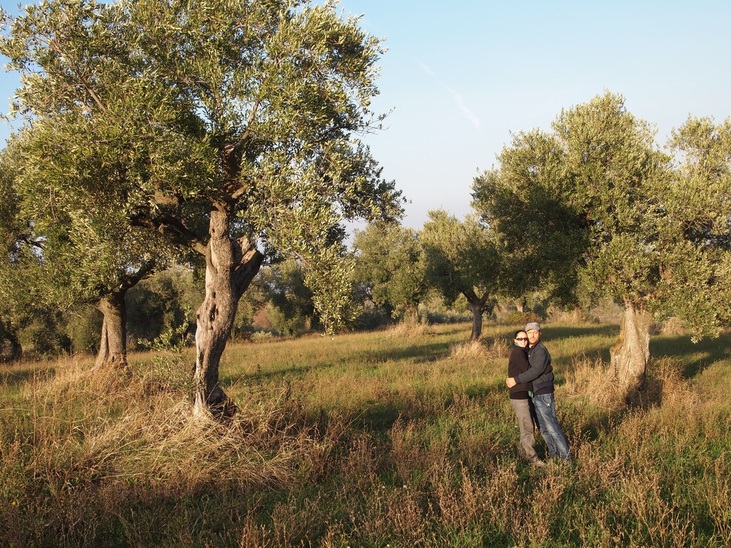
Olive grove - the existing olive grove is planted to approximately 150 gorgeous, ancient olive trees. These are all a local native variety called Mignola, which really can't be found anywhere outside this small area of Le Marche. MIrco and I are in love with Mignola! It' an extraordinary and entirely unique variety. It's typical aromas express forest berry flavors with notes of raspberries and strawberries and it's particularly rich in health promoting polyphenols, which also give it it's bold bitter aftertaste.
In the spring of 2012 we plan on integrating the main olive orchard with approximately 50 new trees, all of the Mignola variety.
In the spring of 2013 we plan on planting the upper slope of the Costa to an olive grove featuring another extraordinary indigenous variety called Orbetana. The upper slope is currently planted to wheat. Once this is harvested in June we'll proceed to plant 2 cover crops and begin treating with biodynamic preparations to bring balance and fertility back to the soil before we plant the new orchard.
Composting Zone - our composting area will include several different kinds of compost: a biodynamic manure compost, a general veggie/organic compost mound and our worm composting beds. I'm particularly keen on the worm composting project. Nature invented the perfect recycler, the king of the soil - The earth worm! Not only do those gorgeous little critters eat anything organic they can get their mouths around, but they transform it into the richest and most precious hummus known on earth. Our trash is their treasure and we can feed our worms any kind of food waste, cooked or raw, meat based, vegetarian or vegan, you name it, they have no allergies and no food restrictions! Thankfully we've got plenty to keep the bellies of our happy guests full because Mirco's family owns a restaurant not farm from our farm and our worms will soon be recycling truck loads of left over Ravioli, duck ragù, olive all'ascolana and Tiramisù. And of course our worm composting will be biodynamic, so the biodynamic preparations will be added to our worm mounds and we'll be spraying with Fladen once a month (worms LOVE fladen). But I don't want to get carried away on the worm subject right now. I'll dedicate a full post (or several) to the magical world of composting.
Beekeeping - If worms are the kings of the earth, bees are the undisputed Queens of the air. Bees are also the fertility queens of the earth. Not only do they tirelessly supply us with honey, pollen and propolis but they are responsible for the impollination of nearly all the world's flowers and the subsequent production of fruits in general (it has been estimated that bees are responsible for 80% of impollination in agriculture and that 30% of the total human food supply is dependent of the work of bees). We should worship bees. And we feels it's our moral obligation as farmers to protect and promote the well-being and multiplication of these marvelous creatures. So there's a special place at our farm and in our hearts for the bees. More to come on our beekeeping adventures in future posts!
I'm sure there's much more I could say about our project, but I doubt many of you (except mom and dad;) have made it this far (which makes me think it's a shame I didn't write about the bees at the beginning of this post...;). If I've caught the attention of any non-family members, I hope you too will check back to see updates and stories on our work in progress!
Next week we're doing our first biodynamic treatment with 500 and Fladen, so I hope to get a post up with an account of that exciting event.
Amy
RSS Feed